
AI product photography for skincare: a practical shot plan
Prepare accurate skincare references, direct the light and background, and check packaging details before approving an AI product image.
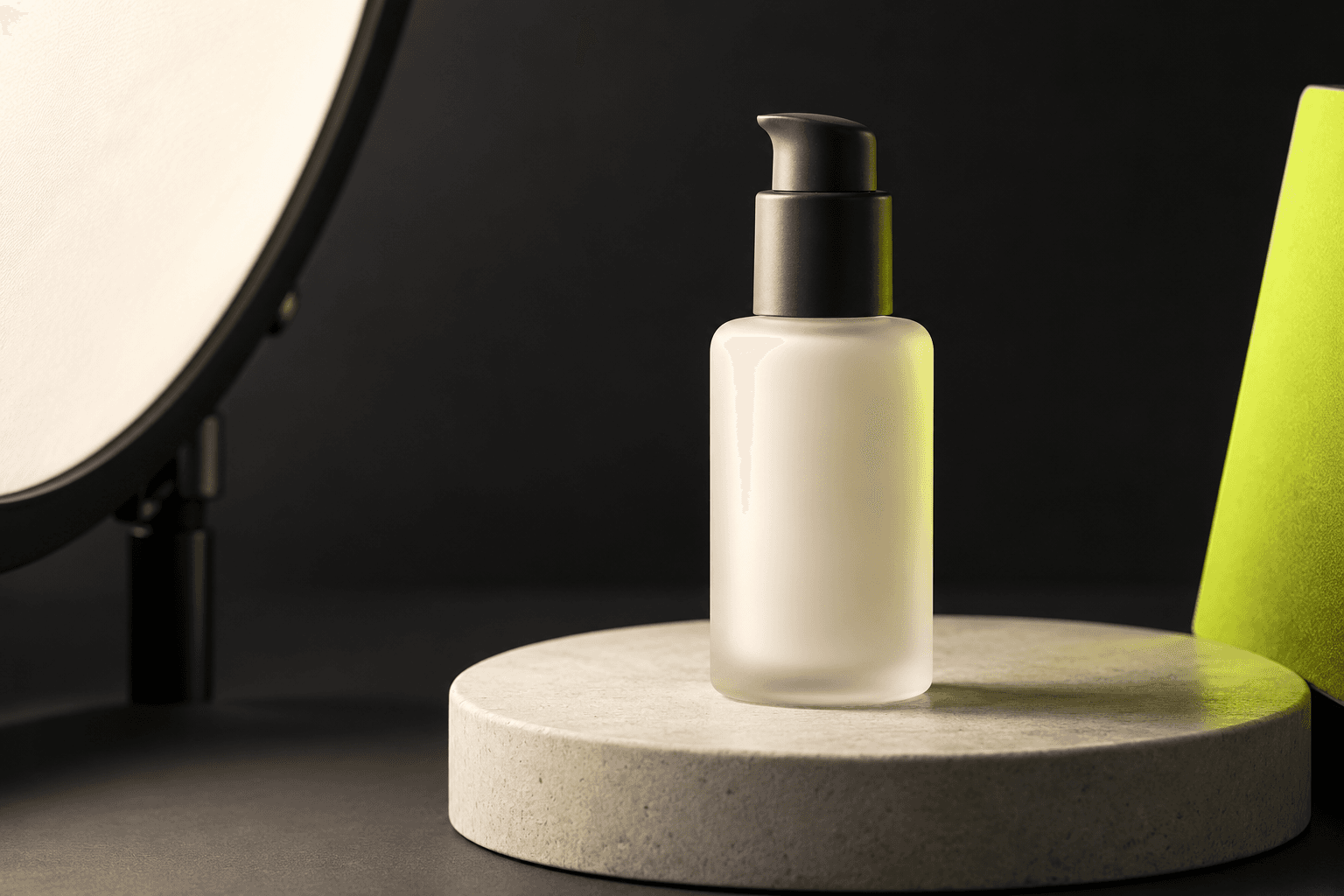
Record the product before designing the scene
A skincare image needs to communicate what is in the pack before it communicates a mood. Start with the exact product variant you plan to promote: bottle or jar, pack size, cap, label and contents. A convincing image of a different pump or a larger jar can create the wrong expectation even when the overall scene looks polished.
Prepare a clear front photograph and, where useful, a second view showing the real shape. Use even light and remove distracting clutter. Keep an approved packaging image outside the generation workflow as your comparison master. Adobe's product-photography guidance emphasizes planning required angles and label visibility; those practical questions remain useful when an AI model creates the surrounding scene.
Choose a scene that supports one message
Decide whether you need a straightforward pack image, a material close-up or a lifestyle composition. For a launch image, the product might stand alone on a warm neutral surface. A texture image might instead show the real cream beside its open jar. Use only textures and accessories that accurately represent the product; a generated serum droplet should not become evidence of an ingredient or performance claim.
Write down the background colour, light direction, camera angle and space for later copy. Change one of these at a time when comparing variations. Keep broad highlights away from the part of the label that must be readable. Adobe discusses diffused lighting as a way to manage harsh shadows and visible details in product photographs; use that as a visual direction, then inspect what the model actually produces.
- Choose the placement and crop before creating the hero image.
- Keep the real pack, label and colour as the accuracy reference.
- Reserve a clear area for a verified headline added in the final layout.
Write a brief you can revise deliberately
An original example brief: Create a vertical campaign photograph using the attached skincare bottle as the product reference. Place the upright bottle on a pale matte surface against a warm grey background. Use a broad soft light from the left, a gentle shadow and no extra props. Keep the front label facing the camera and leave clear space above it for a headline. This is a starting direction, not a tested prompt or a promise of exact reproduction.
In AI Campaign Studio by Bissolux, add your approved photo to an image model that supports references and choose the required format. Save useful palette and tone guidance in a brand kit. Review the current credit quote before creating one variation. The model's supported inputs matter more than a long list of descriptive words; a composition reference can guide framing, but it does not guarantee correct packaging or lettering.
Approve the details, then reuse the direction
Compare the result with your master at full size. Check the cap join, pump, container proportions, label wording and the colour of both packaging and contents. Look for doubled reflections, impossible transparent surfaces and invented accessories. Correct or reject those details rather than hiding them behind dramatic lighting. Add accurate offers, ingredients and other required copy in your final design, where you can control the text.
Once a still is approved, save the brief and the selected output before testing another background or preparing a compatible video shot. Keep image and video approvals separate. Use references you have permission to share, review the selected provider's terms, and avoid presenting a generated skin transformation as a real product result. The goal is a useful, reviewed brand asset, not an unverified demonstration of efficacy.
Sources & further reading
- Adobe: product-photography planning and lighting ↗
- Adobe Firefly: composition reference controls ↗
- Runway: model-dependent reference media ↗
Product documentation can change. Check current provider controls and terms before production.