
Meta retargeting creative: answer the next product question
Plan useful follow-up ads around product familiarity, fresh evidence and a clear offer, then test the creative without assuming every attributed sale is incremental.
Define familiarity without assuming purchase intent
A person who viewed a product is not necessarily ready to buy, and a previous customer is not automatically interested in every new offer. Start a retargeting brief by describing what the intended audience may already know and what remains unclear. A visit or interaction does not reveal an individual person’s motive. Avoid writing an ad as though you know why someone left a checkout.
Meta Blueprint covers custom audiences, data sources and audience creation in Ads Manager. Have the responsible advertiser confirm the actual audience setup, permissions and exclusions there. Keep audience data out of creative-generation prompts: a useful product brief needs the product, question and message, not customer email addresses or browsing records. AI Campaign Studio creates assets; it does not build or synchronize retargeting audiences.
Replace repetition with relevant product evidence
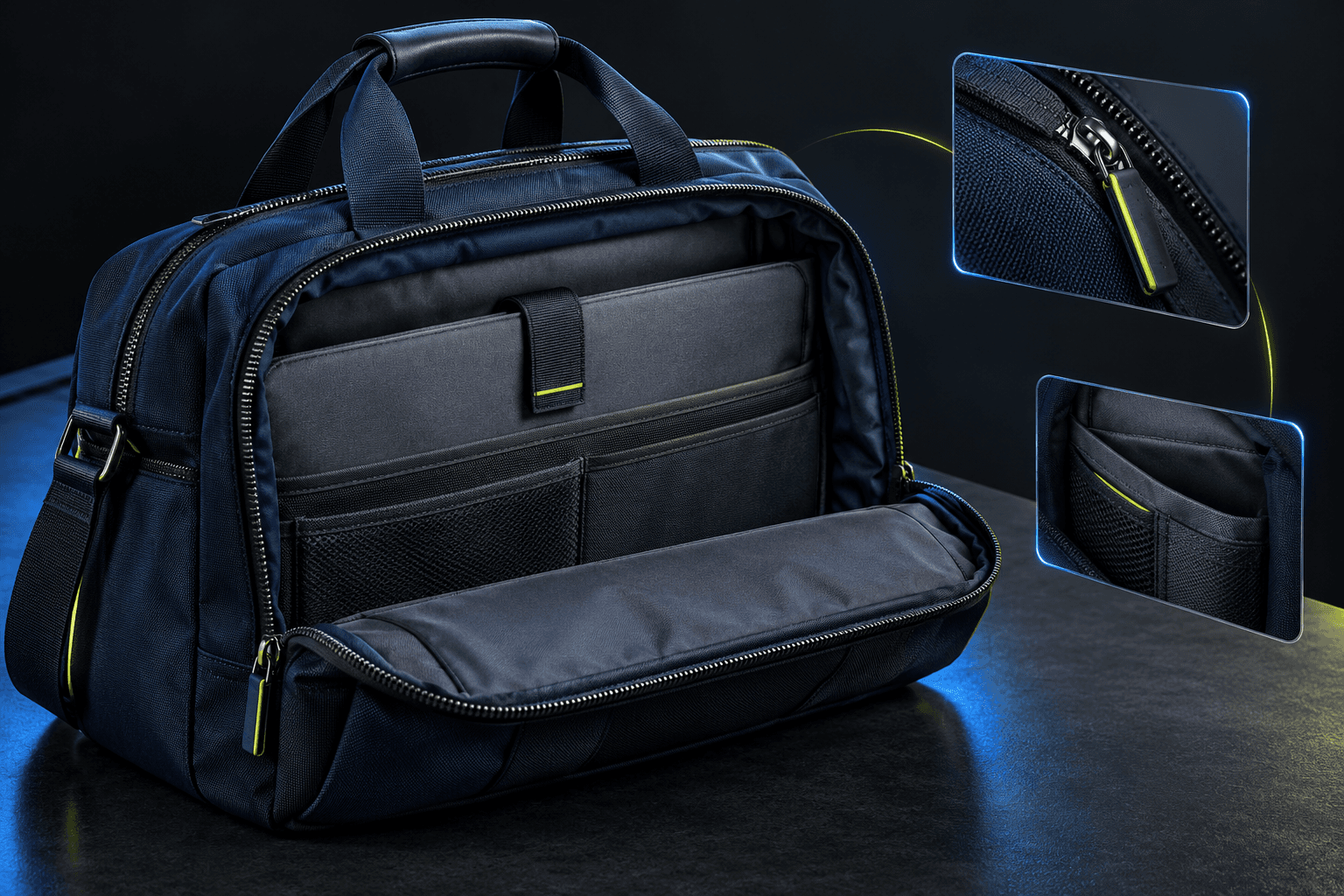
Ask what new information earns another view. For a travel-bag brand, an accurate view of the laptop compartment may answer a different question from the original lifestyle image. A clear product detail can help explain the offer, while another dramatic background may add little. Meta Blueprint’s funnel guidance supports matching creative to the customer journey; the specific evidence and sequence still need to come from your product and customer research.
Use real dimensions, verified product facts and genuine approved testimonials when you have them. Generated imagery must not fabricate a review, certification, included accessory or product demonstration. Check the current destination before adding delivery, return or offer copy. A discount is a business decision with real terms, not a compulsory retargeting technique. Do not invent a countdown or imply that stock is scarce to make the follow-up feel urgent.
Write follow-up briefs for specific questions
Make a small message map, then choose one follow-up to test. A product explorer may need an accurate detail view. Someone evaluating the offer may need a straightforward explanation of what is included and where to find delivery information. A returning buyer may need evidence that a new accessory is compatible with the product they already own. These are planning hypotheses, not claims that an audience setting identifies everyone’s current state.
An original brief for a model supporting multiple image references is: Use the approved reference and the supplied compartment photograph. Create a clear, calm view of the open bag, preserving the real zip, lining and pocket arrangement. Keep the saved brand colours and space for later copy. Do not add devices or imply capacity the references do not establish. If your model cannot accept both images, choose a supported workflow explicitly. Product sets take one photo, so select an approved source showing the necessary details for that workflow.
- Name the question and the factual evidence that answers it.
- Keep the advertised variant, price and destination consistent.
- Approve product details before adding the final offer and call to action.
Test the message and question the credited outcome
Compare the follow-up with a suitable existing creative under a deliberate experiment plan. Decide the outcome, budget and interpretation rules before launch. A purchase after an ad is not proof that the ad caused a purchase that otherwise would not have happened. Meta Blueprint distinguishes A/B and creative tests from conversion lift studies. Ask a qualified campaign owner whether an eligible lift or holdout design is appropriate when the question is incremental sales, and accept inconclusive evidence when the study cannot answer it.
In AI Campaign Studio by Bissolux, save the brand context, approve a reference-based image or compatible clip and use Product sets for placement versions of one selected brief. Review the per-placement costs and combined quote before generation. Different follow-up messages need separate briefs; the studio does not choose recipients, adjust bids, install tracking, change store checkout or publish ads. Export the reviewed assets, launch through your advertising tools and keep the findings with the original question.
Sources & further reading
- Meta Blueprint: defining audiences and using data sources ↗
- Meta Blueprint: creative for stages of the marketing funnel ↗
- Meta Blueprint: A/B, creative, conversion lift and brand lift studies ↗
Product documentation can change. Check current provider controls and terms before production.